On the rooms women built when they weren’t invited into the others
When I was in my twenties trying to make a name for myself in the AI/tech space, I used to wish I were a man.
Not because I wanted to be one, but because I could see, plain as day, where the real decisions were happening: They weren’t in the conference rooms where I was over-prepared and overlooked. They were happening on golf courses, at drinks, in back-channel social rituals I wasn’t invited to.
There was one moment that still stings:
My boss’s boss took one of my clients golfing, and I didn’t get an invite. I had owned the account for years. Built the trust. Held the relationship. My boss was invited, but couldn’t go. And the second choice? Still not me. Instead of me getting the invite, they brought a male peer, with no connection to the business whatsoever.
That wasn’t a one-off. It was the pattern: Deals shaped at drinks I wasn’t included in. Networks built in rooms I couldn’t access. Power passed hand to hand in rituals designed without women in mind.
And like so many women, I internalized it: “If I were a man, this would be easier.” “If I were a man, I’d be invited.” “If I were a man, I’d have more power.”
I was resentful for a long time, until I realized the immense power and joy in this simple fact:
Women don’t rise through the same doors men do. We build different rooms entirely. And this is not new. It’s a tale as old as time.
(And yes, to some extent I think times are changing, but I still think there is good reason and a lot of power for both/all genders in the rooms we have just for ourselves.)
The First Rooms Women Built
In Victorian London, women weren’t welcome in political halls, business clubs, or the social spaces where influence was exchanged. They had limited legal rights, no voting power, and very little economic autonomy.
But they had drawing rooms. They had parlors. And they had tea.
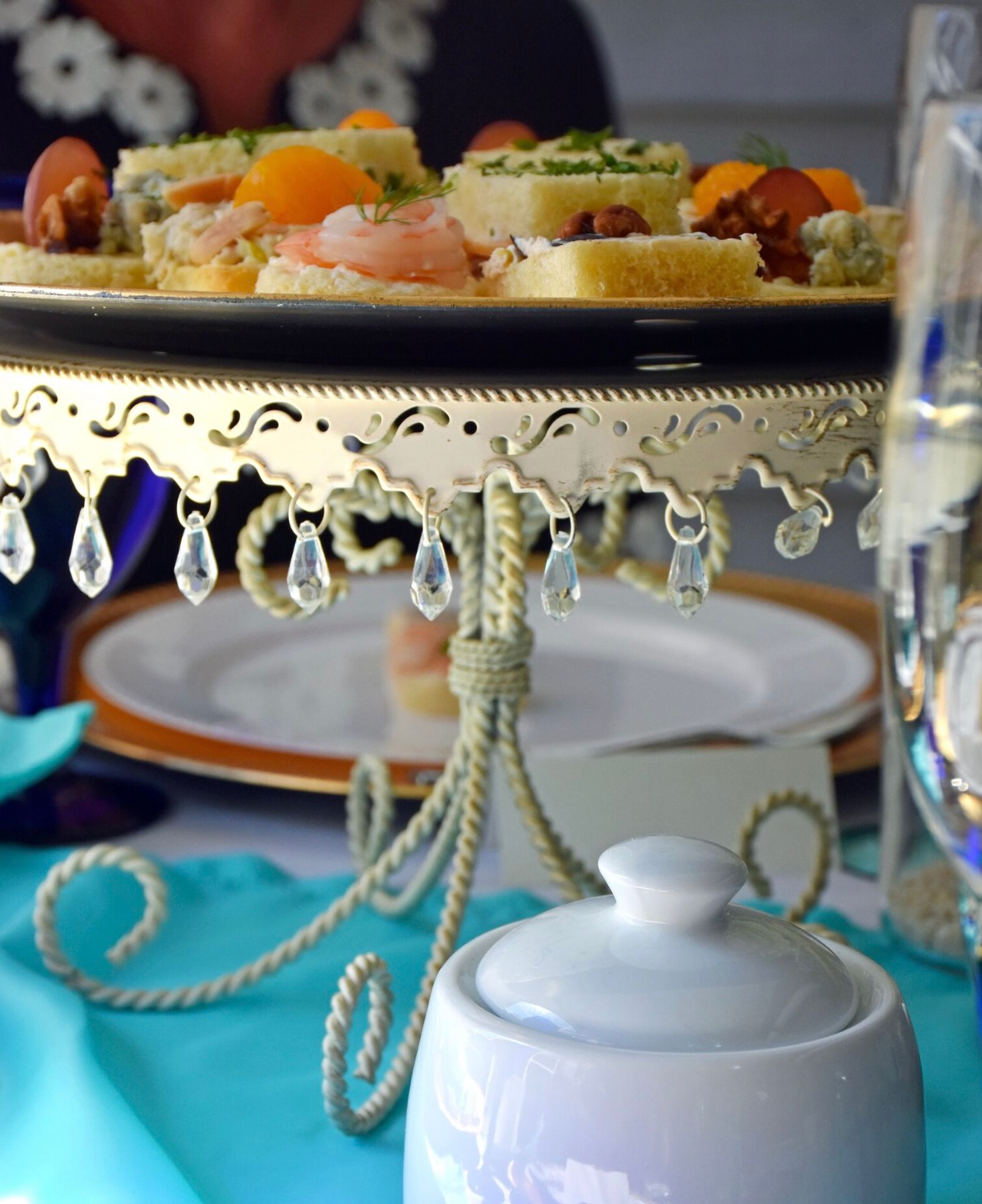
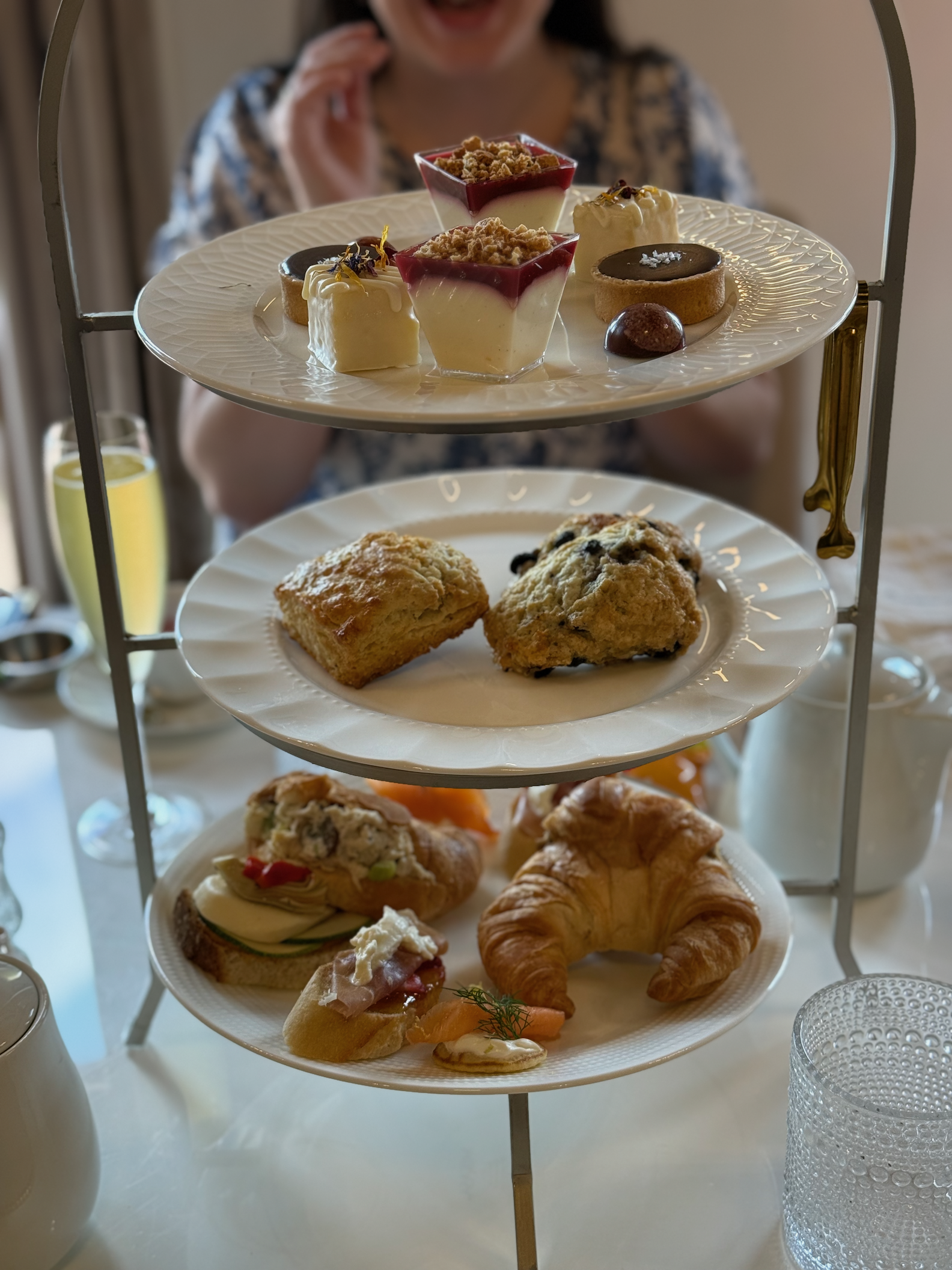
Afternoon tea became one of the only socially acceptable ways for women to gather freely. It looked ornamental, porcelain cups, lace cloths, tiny sandwiches, but beneath that softness something radical was happening.
Women exchanged ideas. Women built alliances. Women organized movements like suffrage under the guise of “ladies’ teas.”
Before we had ballots, we had conversations. Before we had capital, we had community. Before we had boardrooms, we had tea rooms. When women weren’t invited into the rooms where power lived, they created their own. And tea was the socially sanctioned container that made it possible.
Tea wasn’t passive. It was strategic. It was the birthplace of collective female influence.
What Those Rooms Have Built
Fast forward to today and the ripple effects of women gathering, organizing, influencing, and building are undeniable. Women now:
Control 85% of consumer spending.
Hold more seats in Fortune 500 leadership than ever before.
Run global brands, media empires, and cultural movements.
Look at the women reshaping industries:
Kris Jenner and her daughters are rewriting the rules of media, commerce, and personal brand power.
Taylor Swift and Beyoncé turning tours into economic engines that literally boost entire cities.
Female founders like Jaclyn Johnson have created platforms and capital networks for women entrepreneurs.
Investors like Kristen Green funding women building the next generation of consumer brands.
Women like Maggie Sellers and Alex Cooper are modeling that business, influence, and femininity are not mutually exclusive, in fact they’re modeling that our true power is at the intersection of all three.
This didn’t happen because women waited for invites. It happened because women learned how to gather, support, amplify, and build together… something that began centuries ago around tea tables.
And Still… the Gap Remains
Despite all this progress, women receive less than 3% of venture capital funding. We control spending, culture, households, and consumer behavior, yet still fight for capital and credibility in traditional power systems that weren’t designed for us.
The structures lag behind the reality. Which brings me back to tea.
Why Tea Time Still Matters
Tea is small. Gentle. Easy to dismiss. Which is exactly why it’s powerful.
Tea reminds us that women have always built influence differently: Relationally. Communally. Creatively. On our own timelines and in our own ways.
We can spend our lives trying to get invited to tee time, to golf outings and backroom rituals built by men, or we can remember what women have always done when doors didn’t open:
We made our own tables. We gathered anyway. We built power in ways that looked soft but changed everything.
Tea Time > Tee Time Isn’t Actually About Boys vs Girls
It’s about honoring that women’s path to power has always looked different, and that difference is not a disadvantage, it’s a superpower… for both/all genders!
We build businesses while babies sleep. We build movements through connection. We build wealth through influence and intuition and community. We build in seasons, not straight lines.
Tea is the symbol of that legacy.
So yes, let the boys have their tee times, and we’ll have ours.
We’ll take the rooms where conversations shape culture, community fuels ambition, and women rise together.
Because history already proved something important: Before women had power, we had tea time.
And look what grew from there.
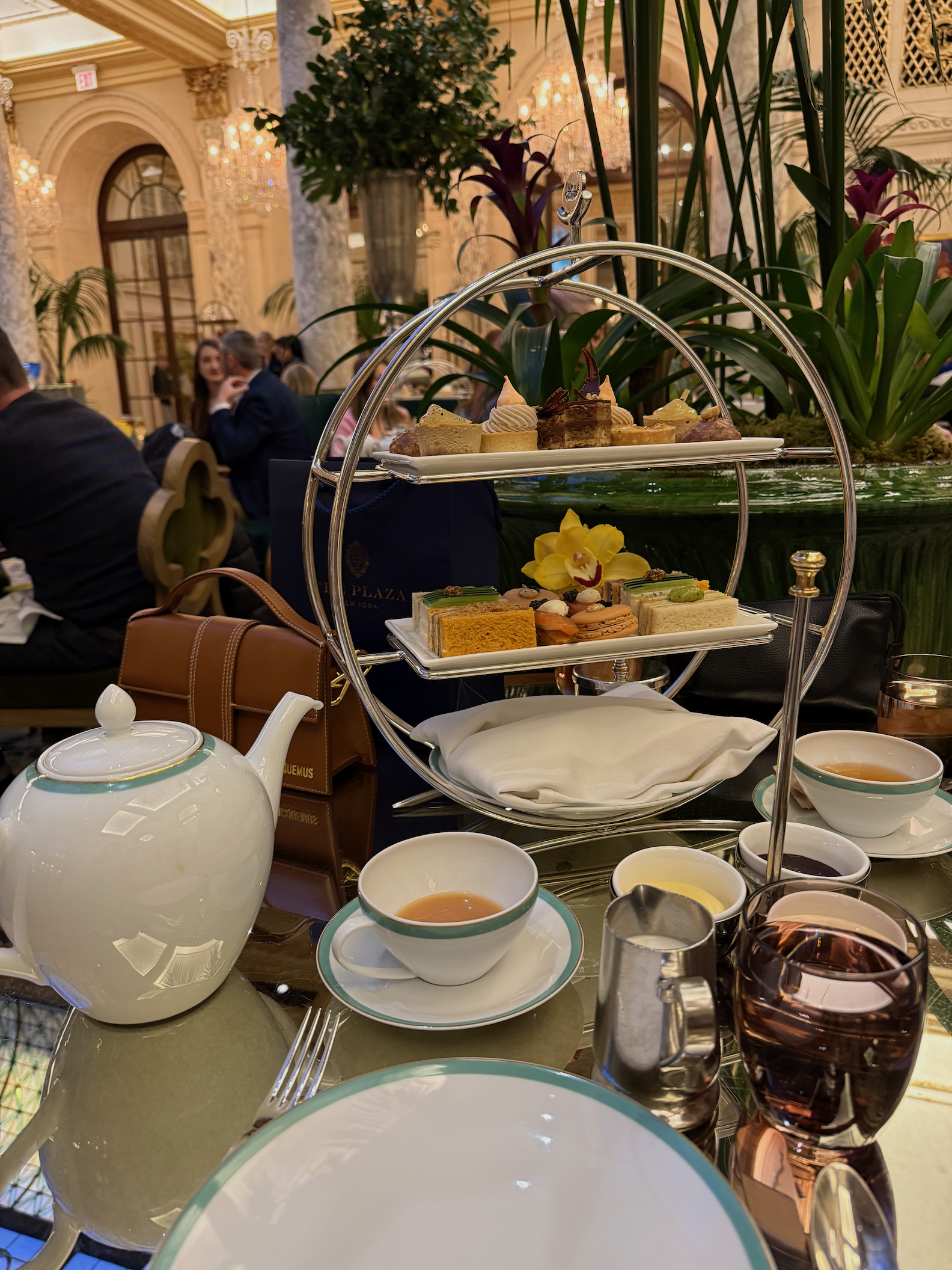
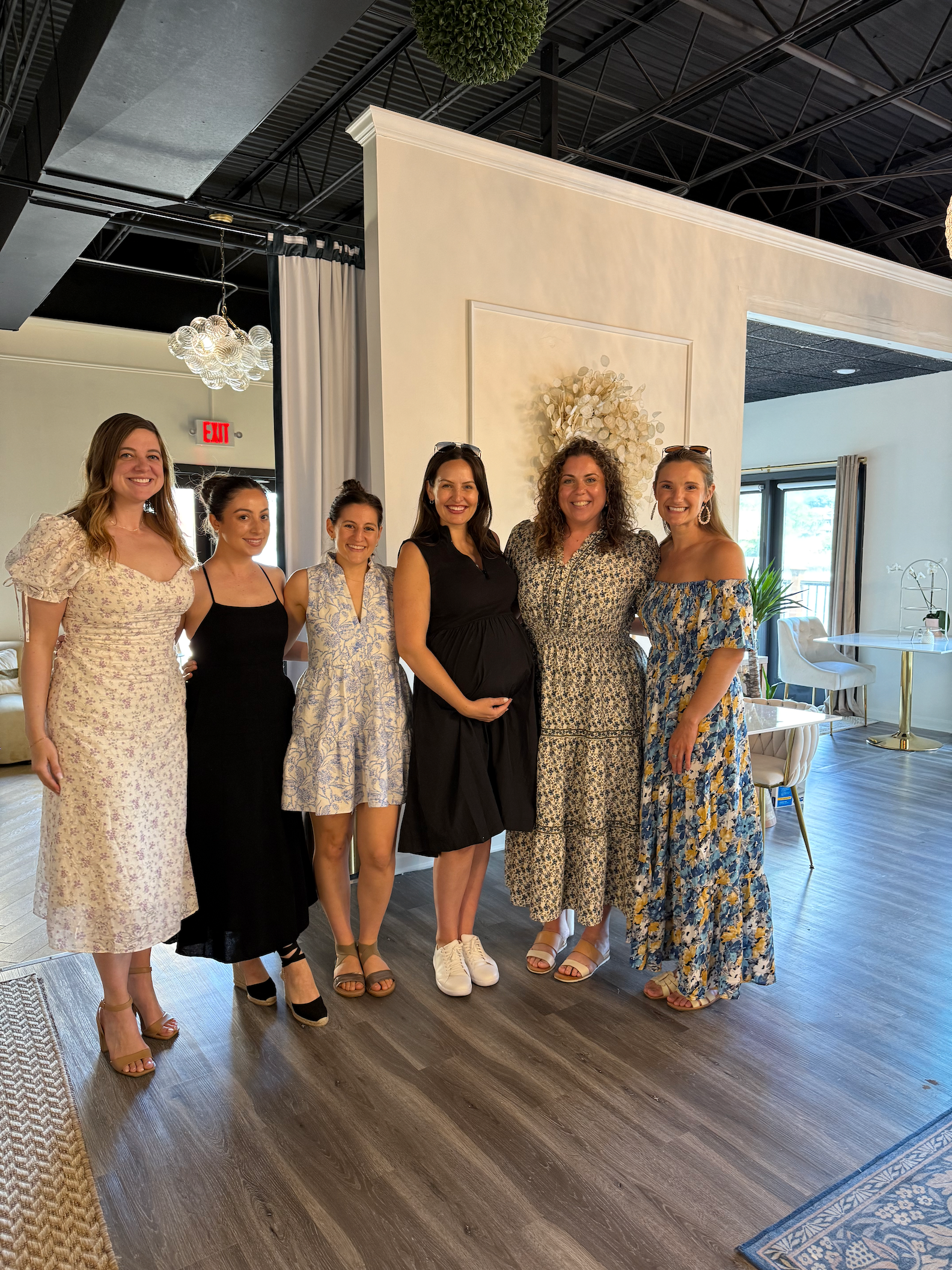
Some of My Favorite “Tea Times” Over The Years
The personal tradition that made this history feel like home
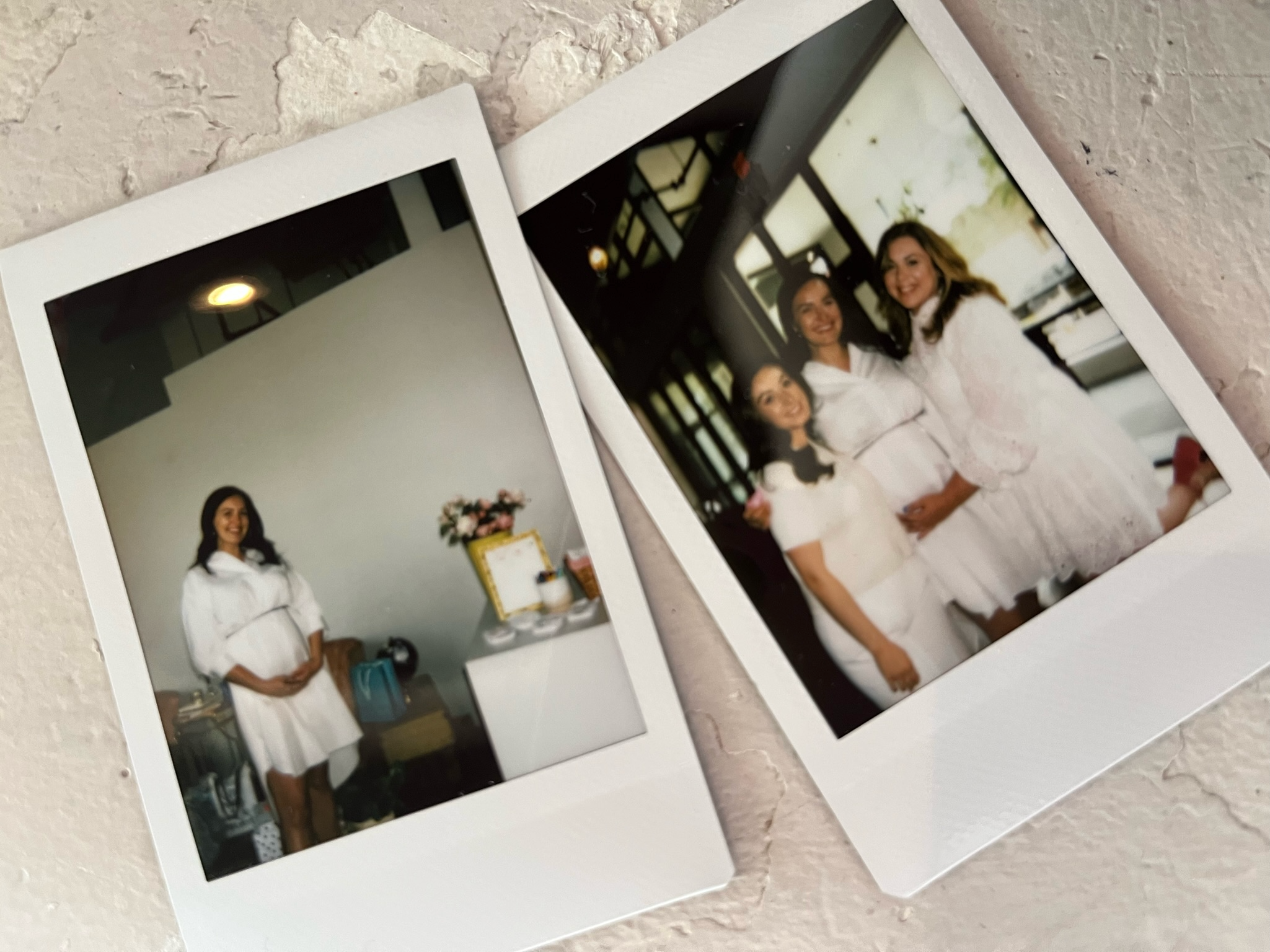
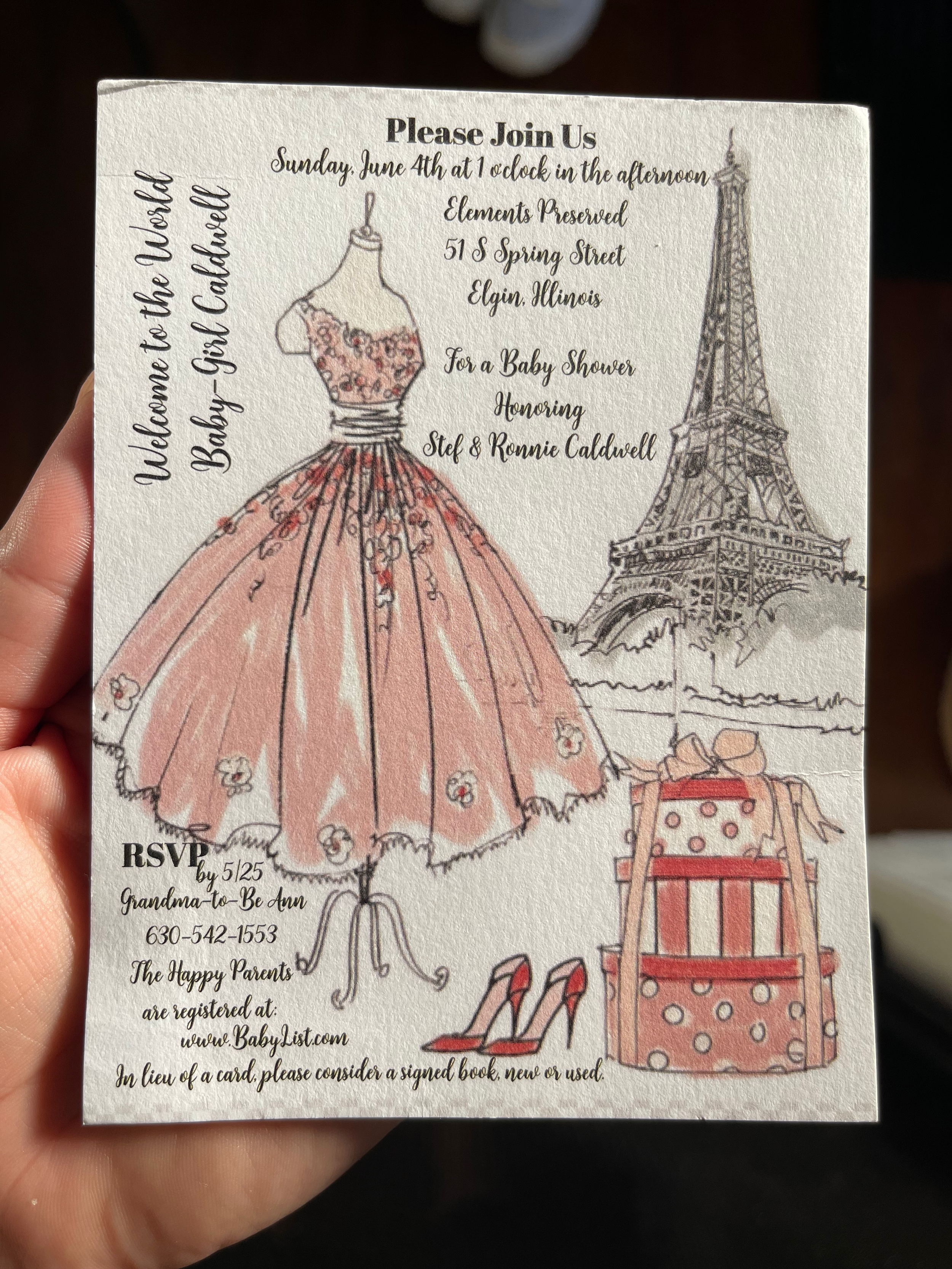
Long before I understood the history of tea, I understood its feeling. My mom created a special tea tradition for me when I was little — it started as pretend play, tiny cups and make-believe sugar cubes, but it quietly became a throughline in my life during the most meaningful moments of womanhood. Tea marked: my bridal shower, the birth of my first daughter, the birth of my second daughter, so many of my birthdays, I’ve lost count!
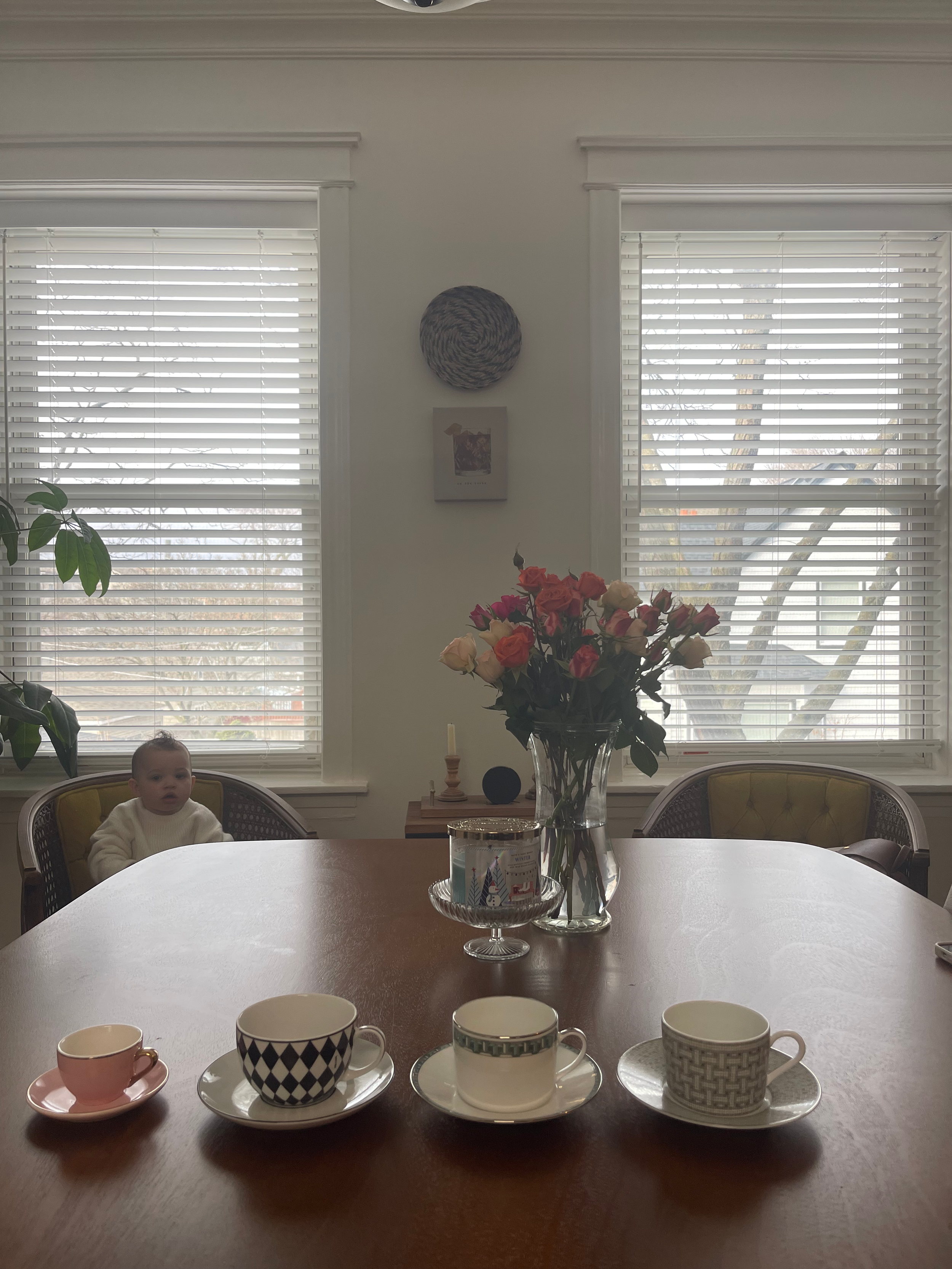
Tea time has traveled with me, lived in my home, showed up again and again as ritual and remembrance.
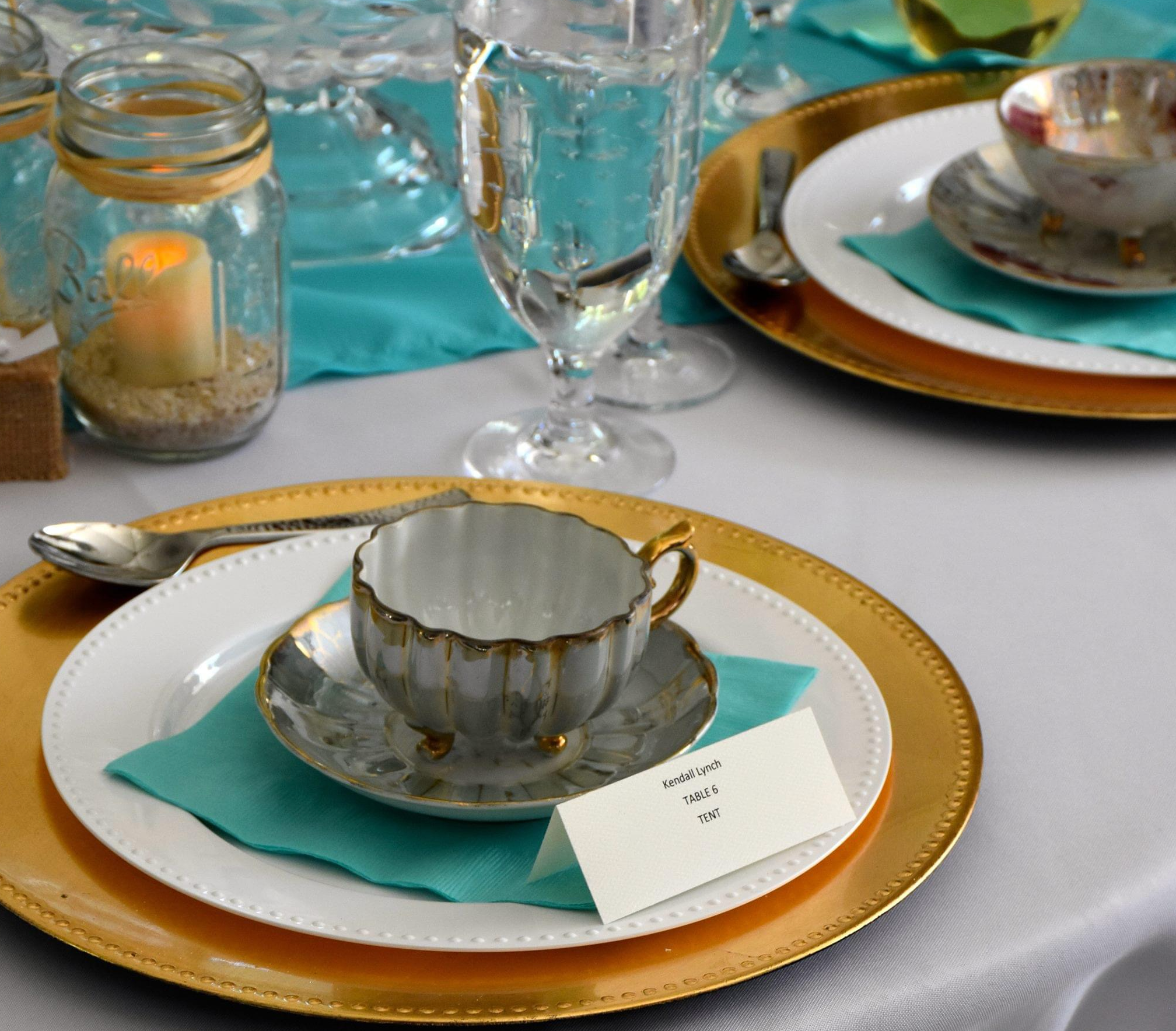
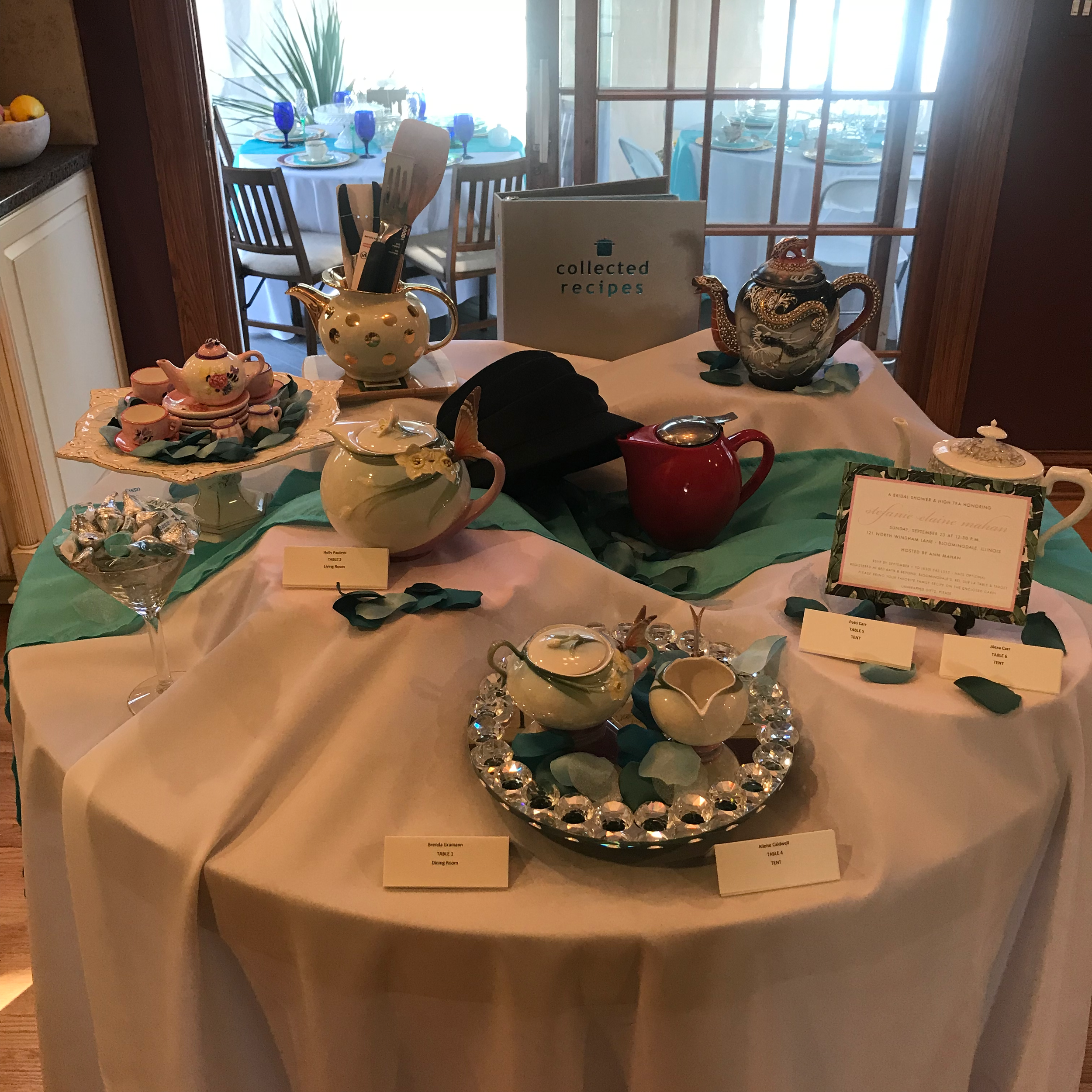
But the most extraordinary tea of my life was my bridal shower: Instead of hosting a typical party, my mom asked the most important women in my life to lend their tea sets for the day. What showed up wasn’t just china — it was history. Legacy. Womanhood passed hand to hand.
We had: a tea set from Korea passed down through generations, an English tea set carried to the U.S. when a family immigrated, tea sets gifted at weddings, births, milestones, pieces that had lived entire lives before arriving at that table.
Every cup held a story. Every plate carried a lineage of women who gathered before us. It felt sacred. Feminine. Powerful in a way that had nothing to do with extravagance and everything to do with continuity.
Now, I gift tea sets for life’s biggest moments: weddings, babies, new beginnings. And if I’m gathering women I love? It is almost always for a tea time. Because tea isn’t just a drink. It’s a tradition. It’s a memory. It’s a legacy. It’s women honoring women across time, space, and generations.