Nothing Good Happens After Midnight
When I was growing up, my curfew was 10:59. Not 11. 10:59.
And if I walked in the door at 11:00, I was grounded one night for every minute I was late. I remember resisting this SO hard as a teenager. Why couldn’t I have cool parents like my friends who were allowed to stay out late??
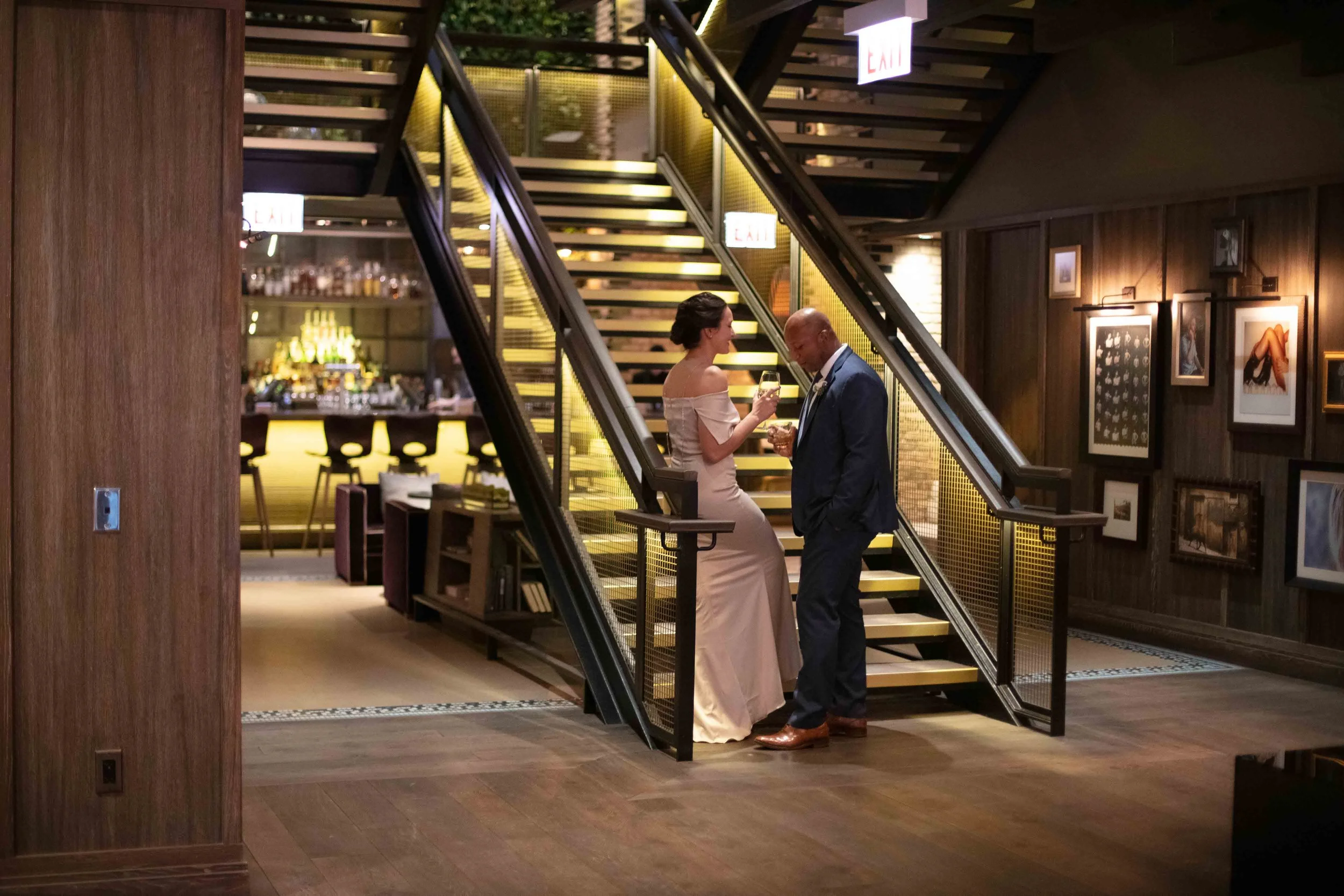
“Nothing good happens after midnight,” my mom would say.
I’d roll my eyes. But the older I get… the more I realize she was right… and the more living by this simple mantra has compounded into a really good life.
After midnight usually comes:
Reduced sleep
Poor decisions happening behind the veil of nighttime
Overconsumption of alcohol
And while hearing “late nights are bad” never helped teenage me, I’ve come to understand this mantra from a totally different angle.
It’s not just that late nights suck. It’s that early mornings are incredibly powerful.
There’s a real psychological and physical cost to staying up late that frankly just doesn’t have a great ROI. There is a massive return on investment, on the other hand, when you own your mornings…
You eat into your 168 Hours
Every person has exactly 168 hours in a week. How you fill those hours has a direct correlation with what you’re able to achieve, feel, and build in your life. One thing is non-negotiable in those 168 hours: sleep.
From a neurological standpoint, about 7–9 hours a night gives your brain the chance to fully reset, especially during deep sleep and REM cycles when memory, emotional regulation, and recovery happen. (Studies show that sleep deprivation directly impacts decision-making, impulse control, and stress levels — basically the parts of your brain responsible for good judgment.)
8 hours × 7 days = 56 hours. That’s about 33% of your life spent sleeping. When you stay up past midnight, one of two things usually happens:
Either you push your sleep window later and later (1am–9am, 3am–11am…)
Or you cut it short to accommodate real life in the morning (1am–6am = 5 hours of sleep).
And when we’re sleep deprived:
We make poorer decisions
Our judgment suffers
Our reaction time slows
Cortisol (your stress hormone) stays elevated
Our bodies don’t fully recover
Research shows cortisol naturally drops at night and rises in the morning to help you wake up, but lack of sleep keeps it elevated longer than it should be, putting your body in a constant low-grade stress state. Over time, that compounds into burnout, anxiety, poor health, and even, disease. Your body keeps score more than we give it credit for!
You don’t have the opportunity to own your day in the same way
There’s also the opportunity cost you pay.
Studies consistently show that the first hours of the day are one of the best windows for focus, discipline, and emotional regulation.
Your brain is fresh. Your nervous system is calmer. Your willpower is higher.
When you wake up before the world does, say 5am, you give yourself quiet, intentional time.
Time to:
Move your body
Get your mind right
Be creative
Think strategically
Set your day instead of reacting to it
Using early mornings well can put you miles ahead in everything from fitness to career to mental health. On the flip side, starting your day late often means hustling to catch up: You’re immediately in reaction mode, emails, texts, kids, traffic, meetings, life.
That reactive state, combined with lack of sleep, keeps cortisol high all day long. Your body literally feels like it’s in fight or flight, like a bear is chasing you, when in reality it’s just:
Sleep deprivation
Stress hormones
Dehydration
Brain fog
And maybe some questionable decisions from the night before
The probability of making bad, sometimes irreversible decisions goes way, way, up
And finally, let’s be honest… If you’re out past midnight regularly, there’s a good chance you’re getting into stuff that isn’t amazing for your brain or body. Alcohol, substances, and poor decisions tend to live behind that veil of nighttime.
In moderation? Totally fine, life is meant to be enjoyed.
But after midnight, most of the time you’ve crossed from increasing returns to diminishing returns. Each extra drink doesn’t make the night better, in fact, it usually makes tomorrow worse.
Short term that looks like:
Hangovers
Brain fog
Poor workouts
Lower productivity
Snapping at people you love
Texts or choices you regret
Which often leads to things like “hair of the dog” just to feel normal again. And again, in moderation this is fine.
Look, I’ve been known to love a good hangover debrief with the people I was out with… recapping the night, laughing through the debauchery, and getting all the giggles out from whatever chaos we created. BUT long term?
Staying out even past midnight too often becomes a cycle that’s much harder to break — and it quietly brings everything else in your life down with it. Your energy. Your health. Your mood. Your focus. Your relationships.
All of it.
Be in bed well before Midnight, more often than not
Have I gone out dancing in Monaco until the sun came up? Yes.
Have I had an all-nighter in Vegas I’ll never forget? Of course.
Is my definition of a great night out singing at the top of my lungs at karaoke long after I would otherwise recommend to others? Absolutely.
Those moments are fun. They’re memorable. They make for a really full life… When they’re created sparingly.
That’s the point of this mantra. These out-past-midnight-memories are indulgences, not habits. They’re memories to be choiceful about, not routines to live in. These days, I deeply understand the advice:
“Nothing good happens after midnight.”
And more often than not, I try to hold myself to a different standard.
Bed by 10pm. Not because I’m boring. But because I value:
✔ My energy
✔ My health
✔ My focus
✔ My mornings
✔ The life I’m building
Because as it turns out… As much as my inner-teenages resists this truth, a lot of really good things happen when you go to bed on time.
